
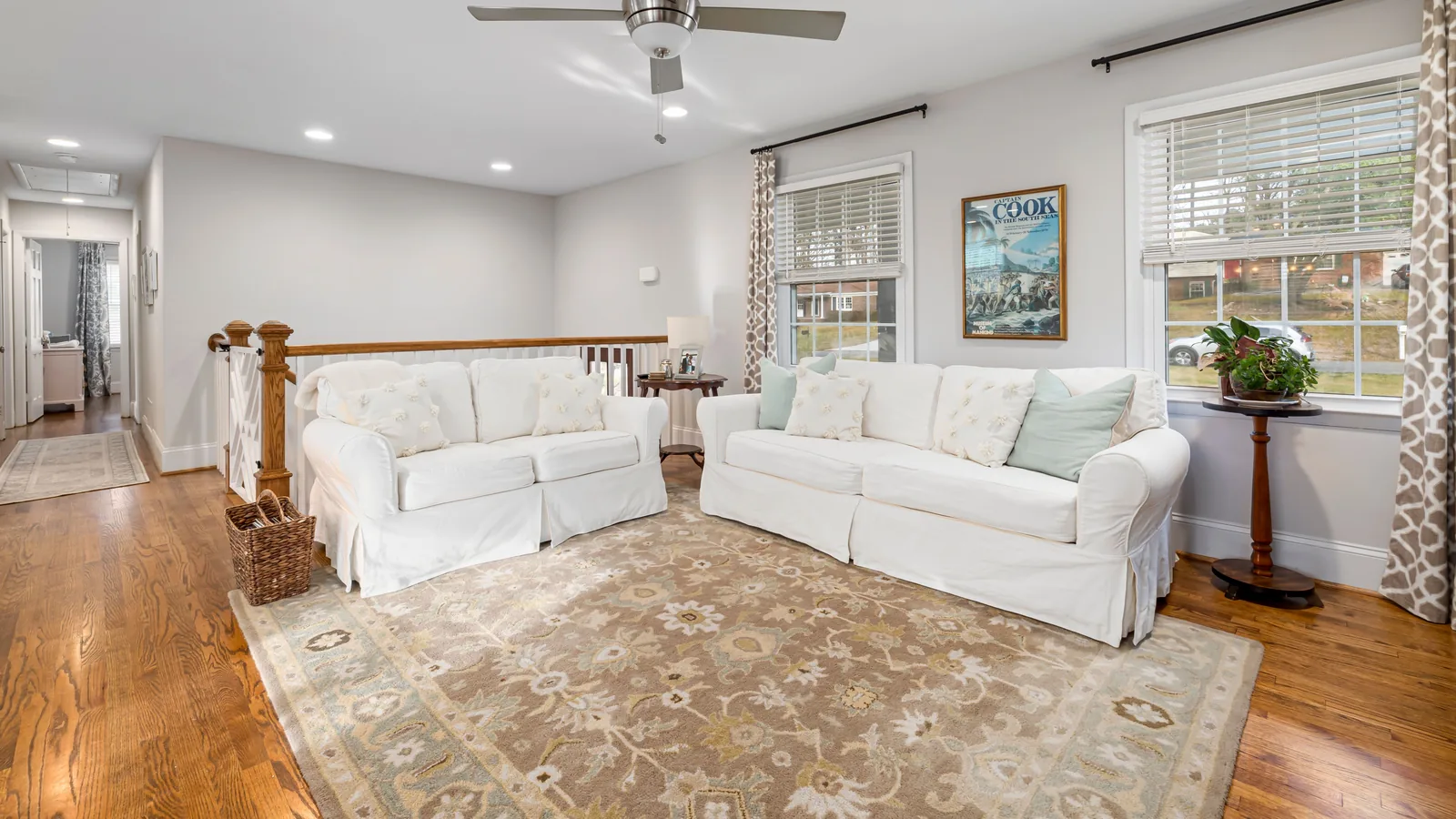
Quick answer: The five installed flooring types GTA homeowners often compare are carpet, hardwood, laminate, vinyl, and tile. Area rugs can add comfort and colour over a finished floor. There is no single best choice for every home. Start with the room's moisture, traffic, comfort, cleaning, and installation needs. Then verify the exact product's technical sheet, care guide, installation instructions, and product documentation.
Start with the room, not a material name
A flooring category narrows the search, but it does not settle the decision. Two products in the same category can have different constructions, approved rooms, water claims, installation methods, and documented exclusions.
Room conditions matter throughout a GTA home. An entrance receives grit and wet footwear. A kitchen or laundry area faces spills. A basement may have a concrete slab and a moisture history. A bedroom puts more weight on softness and sound. In a condominium, the building may also set acoustic or installation requirements.
Natural Resources Canada explains that moisture can come from runoff, groundwater, condensation, plumbing, foundations, and everyday indoor activities. Correct an active moisture problem before covering it, and use the test method and limits required for the selected floor.
Flooring and floor-covering options at a glance
Use this comparison to build a shortlist. The exact sample and its current documents control the final choice.
| Flooring type | Why it enters the shortlist | What to verify |
|---|---|---|
| Carpet | Softness, warmth, texture, and a quieter-feeling room | Fibre, pile, underpad, traffic, stain care, seams, and cleaning guidance |
| Hardwood | Real-wood grain, species, colour, and finish | Solid or engineered construction, floor level, humidity, installation, care, and refinishing limits |
| Laminate | Wood- or stone-look designs with a layered plank construction | Traffic rating, water claim, room approval, locking system, underlayment, and edge care |
| Vinyl | Plank, tile, rigid-core, flexible, and sheet formats | Format, wear layer, water claim, seams, subfloor, installation system, and repair method |
| Tile | Hard-surface durability plus varied sizes, finishes, and layouts | Room use, surface texture, subfloor, movement joints, setting materials, grout, and transitions |
| Area rugs | Softness, colour, and definition over an existing floor | Size, placement, construction, rug-pad compatibility, door clearance, and care |
How five installed floors and area rugs differ
Carpet
Beaulieu Canada describes carpet as a textile floor covering with pile attached to a backing. Broadloom, carpet tile, fibre, pile, and backing can change how a product looks and performs. Homeowners often begin with carpet where softness matters. When comparing carpet options, check traffic expectations, the approved underpad, seams, cleaning instructions, and documented conditions.
Hardwood
Hardwood includes solid boards and engineered products. Beaulieu Canada explains that engineered hardwood places a real-wood layer over a layered core and can move less as temperature and humidity change. Approval still depends on the exact product. Compare solid and engineered hardwood by subfloor, location above, at, or below ground, indoor humidity, installation, care, and permitted refinishing.
Laminate
Laminate commonly combines a backing, a fibreboard core, a printed design layer, and a protective surface. Regular and water-resistant products are not interchangeable. Beaulieu Canada's laminate overview shows why the construction and water claim should be checked for the exact line. When browsing laminate flooring, verify room approval, wear classification, spill guidance, edge treatment, locking system, underlayment, and expansion requirements.
Vinyl
Vinyl is a family rather than one construction. The Resilient Floor Covering Institute and Beaulieu Canada distinguish flexible luxury vinyl, rigid-core flooring, and sheet vinyl. These formats differ in joints and installation. Compare vinyl flooring options by format, wear layer, room approval, water-claim limits, subfloor, underlayment, and product documentation.
Tile
Tile can create a durable hard surface with many choices in colour, size, finish, texture, layout, and grout. The installation is a complete assembly: the visible tile works with the substrate, preparation, setting materials, movement accommodation, grout, and transitions. When considering tile flooring, ask about documented room use and surface characteristics as well as the condition of the installation surface.
Area rugs
An area rug does not replace the floor below it, but it can add softness, colour, texture, and visual definition. Measure furniture placement, walking paths, doors, vents, and the exposed border before choosing a size. Compare area rugs by construction, surface feel, pattern, edge detail, rug-pad guidance, compatibility with the floor underneath, and care instructions.
Build a room-by-room shortlist
These are starting points, not automatic approvals.
| Room or condition | Options commonly compared | Key checks |
|---|---|---|
| Entrance or mudroom | Tile or an approved vinyl; a removable rug or mat | Wet footwear, grit, cleaning, traction, and transitions |
| Kitchen | Tile, vinyl, or a laminate with a long spill rating | Spills, seams, appliances, and water-claim exclusions |
| Laundry room | Porcelain tile or waterproof vinyl | Drains, appliance leaks, seams, and standing water |
| Living room | Carpet, hardwood, laminate, vinyl, or tile with an area rug | Traffic, furniture, sound, cleaning, and adjoining floors |
| Bedroom | Carpet, hardwood, laminate, or vinyl; optional area rug | Comfort, sound, care, temperature, and humidity |
| Basement | Products carrying written below-ground approval | Drainage, leaks, slab moisture, preparation, and documented limits |
| Condominium | Any floor allowed by the product and building rules | Acoustics, underlayment, access, scheduling, and disposal |
A whole-home project does not need one material everywhere. Different floors can meet at planned transitions when each room calls for a different combination of comfort, moisture tolerance, cleaning, and design.
The installation system matters as much as the surface
The floor you see depends on what is below and around it. Subfloor material and flatness, moisture testing, preparation, adhesive or locking method, underlayment, expansion space, transitions, doors, stairs, trim, and finished height can all affect the scope.
The National Wood Flooring Association installation guidelines, for example, make grade level, environment, substrate, and product approval part of a wood-flooring decision. The same principle applies across categories: use the current instructions for the exact product instead of borrowing a rule from a similar-looking floor.
Questions to answer before ordering
- Is the exact product approved for this room, floor level, and subfloor?
- Which moisture, humidity, temperature, and flatness limits apply?
- What preparation, underlayment, adhesive, expansion space, and transitions are required?
- What does the water or stain claim cover, and what does it exclude?
- Which cleaning products, tools, and methods are approved?
- How are damaged areas repaired, and can individual pieces be replaced?
- What is included in the written quote, and which site conditions could change it?
- Which receipts, labels, test results, and installation records should be kept?
Compare flooring types with Ultra
Bring room measurements, photos, the subfloor type, known moisture history, and notes about pets, traffic, cleaning, and comfort when comparing samples. Ultra Carpet & Flooring can help homeowners review current carpet, hardwood, laminate, vinyl, tile, and area rug options at the Mississauga showroom.
Contact the showroom to discuss your rooms and request a quote. Availability, specifications, installation requirements, care instructions, and documented terms should be confirmed for the exact products selected.